
Microbial growth in buildings – signs, causes and solutions
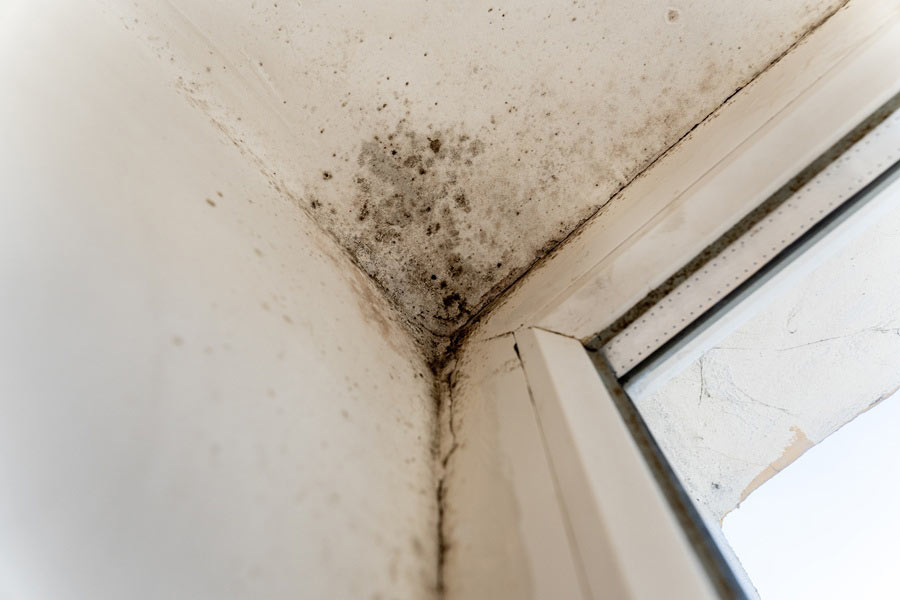
Have you noticed dark patches in the attic, a white coating in the crawl space or a musty smell that will not go away? These may be signs of microbial growth – such as mould – but appearance and smell alone cannot tell you for certain. Start by finding out where the moisture is coming from and how extensive the damage is.
In this guide, we explain what microbial growth means, where it can occur and how to deal with it and prevent it from returning.
What is microbial growth?
Microbial growth means that microorganisms are growing on a surface or within a material. In buildings, this often involves mould fungi, although bacteria may also occur in moisture-damaged materials. Mould spores are naturally present in our surroundings. What matters is whether they have enough moisture and favourable conditions to start growing on building materials.
Growth can develop on timber, paper, plasterboard and other materials that contain or collect organic matter. It may also be hidden behind wall finishes or beneath floors. That is why the absence of visible marks does not rule out moisture damage.
What is the difference between mould and wood rot?
Mould usually grows on the surface of a damp material. It can cause discolouration and odours and should be assessed alongside the moisture conditions. Whether it looks white, green or black does not reliably identify the fungus or show how serious the damage is.
Wood-decay fungi , on the other hand, break down the structure of timber. If a joist, sill or roof truss has become soft or lost strength, wood rot may be present. A qualified professional should then assess whether the structure needs repairing or strengthening. If you suspect dry rot caused by true dry-rot fungus, have a specialist investigate.
How can you recognise signs of microbial growth?
Sometimes the first thing you notice is an earthy or musty smell when you open the attic hatch or go down to the basement. At other times, you may see discolouration on timber or walls. Look out in particular for:
- White, grey, green or dark patches that resemble fungal growth.
- A musty smell that returns after airing or cleaning.
- Condensation, damp materials, water stains or peeling paint.
- Timber that has become soft or shows other signs of decay.
Not every stain is mould; a light-coloured deposit on masonry may, for example, be salt efflorescence. Moisture damage does not always smell, either. You can monitor temperature and relative humidity over time to understand the conditions, but an ordinary hygrometer cannot tell you how damp it is inside a wall or floor structure. Suspected hidden damage may require a building survey.
What causes microbial growth?
It is mainly prolonged moisture within a material that creates the conditions for growth. The moisture may come from a leaking roof, the ground beneath the building, a water pipe or humid air cooling against cold structural elements. Temperature, material and the length of time the moisture remains all affect the risk. No single relative humidity threshold can reliably tell you whether mould will start to grow.
More ventilation is not always the answer. In a cold attic or crawl space, humid outdoor air can sometimes make moisture conditions worse. You therefore need to identify the real source of moisture before changing ventilation, sealing openings or installing equipment.
Where in the house is the risk greatest?
Crawl space
In an outdoor-ventilated crawl space, warm, humid summer air can cool as it enters beneath the house. Moisture may also evaporate from the ground. This can expose the underside of the floor structure, subfloor lining and other timber components to high levels of moisture. Check both ground moisture and water ingress before considering ground sheeting or dehumidification.
Read our guide to mould in crawl spaces.
Cold attic
Moist indoor air can escape into the attic through hatches or unsealed penetrations and condense as it cools. Roof leaks and outdoor conditions may also affect the attic. Check the roof, air leaks and any growth on roof boarding and rafters. Do not change attic ventilation or airtightness without assessing the construction.
Read more about mould in attics.
Basement
Basement walls and floors are in contact with the ground and may be affected by inadequate drainage, ground moisture or water ingress. Warm summer air cooling against cool walls can also cause condensation. A dehumidifier can control humidity but cannot stop water penetrating a wall.
See our guide to damp in basements.
Garages and holiday homes
In a garage, a snow-covered car, wet tools and water entering around the door can introduce a great deal of moisture. In a holiday home left cool for long periods, leaks or inadequate air exchange may not be noticed until you open it up again. Check the roof, drainage and ventilation, and monitor moisture conditions as the spaces are used throughout the year.
Find more advice on damp in garages.
Can microbial growth affect indoor air and health?
Moisture-damaged parts of a building can release odours and particles that may in some cases spread into living areas through gaps, for example from a crawl space or attic. Damp and mould damage in buildings is associated with an increased risk of respiratory symptoms. People with asthma or allergies may be particularly sensitive, but you cannot determine an individual's health risk from the colour or extent of visible growth.
If someone at home has recurring symptoms, seek medical assessment when appropriate. Suspected moisture or mould damage should also be investigated from a building-technical perspective. Air sampling or culturing alone cannot provide a reliable assessment of health risk.
How do you deal with microbial growth?
Treating only the visible patches is not enough. Start with the cause, then let the extent of the damage determine how the materials should be handled.
- Find the source of moisture. Check roofs, pipes, drainage, ground moisture and signs of condensation. Arrange moisture measurements in building materials when necessary.
- Fix the cause. Repair leaks and deal with water ingress. Assess air leakage and ventilation in light of the building's particular construction.
- Have affected materials assessed. Moisture-damaged materials may need to be removed and replaced with clean, dry materials. If you suspect rot or extensive growth, have a professional assess the required work.
- Prevent spread during remediation. Incorrect cleaning can spread spores and particles into living spaces. Mould treatments are not a substitute for dealing with moisture-damaged materials.
- Follow up. Check that the materials dry out and that damp, odours and growth do not return as the weather and seasons change.
The Public Health Agency of Sweden (Folkhälsomyndigheten) explains why both the source of moisture and damaged materials need to be addressed in its guidance on damp and microorganisms. You can also read our article on how to spot moisture damage.
How can you prevent microbial growth from coming back?
Once the damage has been investigated and the moisture source has been dealt with, the next step is to keep materials sufficiently dry. Inspect vulnerable spaces regularly, make sure the roof and drainage work properly, and monitor moisture conditions over time. In crawl spaces, suitably designed protection against evaporation from the ground may form part of the solution. In cold attics, airtightness between the attic and living areas can be crucial. Measures should be tailored to the building.
When can a desiccant dehumidifier help?
If humidity remains too high in a crawl space, cold attic or unheated storage room, for example, dehumidification can be a useful addition. Our EvoDry desiccant dehumidifiers can also be used at low temperatures. Moisture is discharged as humid exhaust air through a duct, while drier air is distributed throughout the space. Correct sizing, installation and maintenance are important for performance.
A dehumidifier does not remove existing mould and cannot replace remediation or repairs. If you are unsure which technology and capacity suit your needs, read our guide on choosing the right dehumidifier.
When should you contact a specialist?
Seek help if growth is extensive, timber has become soft or rotten, musty smells spread into living rooms or you cannot find the moisture source. A moisture specialist or building surveyor can assess the damage and determine which materials need attention. Once the moisture problem is under control, we can help you choose a suitable dehumidifier and pass an installation enquiry to one of our partners.
