
Mould in a crawl space: Causes and solutions
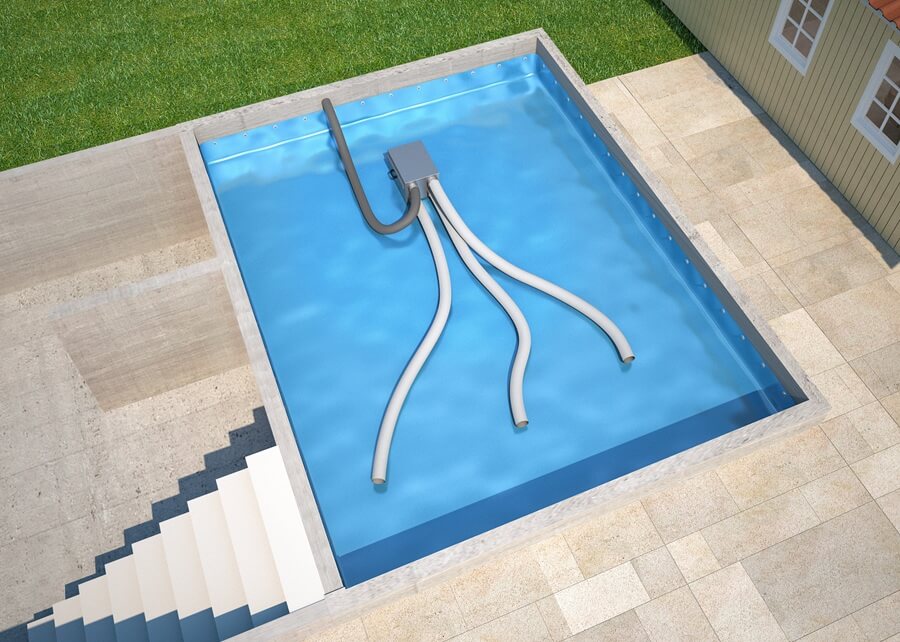
If you've found mould in your crawl space, start by identifying and fixing the source of moisture. Then assess whether affected materials can be cleaned or need replacing. A properly installed dehumidifier can help prevent further problems, but it won't remove mould that's already there.
How can you spot mould in a crawl space?
Mould may appear as white, grey, green or dark patches on timber. You might also notice a musty smell when opening the access hatch. Pay particular attention to the underside of the floor joists, the wall plates and the subfloor lining.
- Visible mould growth or discolouration on timber and insulation.
- A musty or earthy smell coming from the crawl space or inside the home.
- Damp insulation, condensation or water on the ground.
- Timber that has softened or shows signs of rot.
What's the difference between white and black mould?
White mould and black mould are everyday descriptions of light- and dark-coloured growth. Colour alone cannot identify the mould species or tell you how serious the damage is. White deposits may have other causes too. If you're unsure, the material needs inspecting rather than judging by colour alone.
Why does mould develop in a crawl space?
Mould can grow when timber and other organic materials remain damp for long enough. The risk depends on temperature, the material and how long moisture persists. A single relative humidity reading therefore cannot tell you whether mould is actively growing.
Common causes include moisture evaporating from exposed ground, rainwater draining towards the foundations and warm, humid outdoor air cooling as it enters a cooler crawl space. Moisture carried in by outdoor air can be a particular problem in spring and summer.
Read more about what causes moisture in crawl spaces and about crawl-space moisture and mould in the EPA's guidance.
Can mould in a crawl space affect indoor air quality?
Yes. Odours and contaminants from a damp, mould-affected crawl space can sometimes enter the home through gaps in the floor structure. That doesn't mean every patch of mould beneath the house automatically affects indoor air. But if you notice a musty smell coming from the crawl space inside your home, investigate where it's coming from.
Damp and mould damage in buildings can be associated with respiratory symptoms, particularly in sensitive people. If someone in your household has symptoms, they need to be assessed separately; you cannot establish the cause simply by seeing mould in the crawl space.
How to deal with mould in a crawl space
Don't start by simply spraying or scrubbing away the visible patches. You need to stop the moisture and deal with damaged materials properly to prevent the problem from returning.
- Find the moisture source. Check drainage, downpipes, the slope of the ground, water pipes and whether humid outdoor air is entering. Consider monitoring temperature and humidity over time.
- Deal with the moisture. Repair leaks and divert water away from the foundations. Assess whether the ground needs a durable plastic vapour barrier to reduce evaporation.
- Have the damage assessed. Mould-affected or rotten timber and insulation may need cleaning or replacing, depending on the extent of the damage. Ask a qualified specialist if you're unsure.
- Check the results. Make sure materials dry out and that mould or odours don't return as the seasons and weather change.
Using a mould treatment does not replace proper remediation of moisture-damaged materials. Incorrect cleaning methods can release spores and other particles.
Read more about cleaning up mould and dealing with damp materials in EPA guidance.
How can you stop mould from coming back?
Once you've fixed the cause, limit any new moisture entering the space. Remove wood offcuts and other organic material from the ground. If you install plastic sheeting, lay it so that water cannot collect on top. Also check that rainwater drainage and perimeter drains are working.
Sealing vents and openings may form part of a dehumidifier installation, but don't do it without assessing the design. Airtightness, air circulation and moisture removal all need to be planned around the conditions in your crawl space.
When does a crawl-space dehumidifier help?
If humidity remains too high after leaks and other obvious moisture sources have been addressed, a desiccant dehumidifier for a crawl space may be a useful next step. The technology works at low temperatures too. A dehumidifier reduces the risk of new mould growth but does not remove existing mould.
For effective dehumidification, dry air needs to reach the entire space and moisture-laden exhaust air must be ducted outside. Follow the instructions for your particular model and read our guide to installing a dehumidifier in a crawl space.
When should you get professional help?
Contact a moisture specialist if mould is widespread, timber is rotting, odours enter your home or you cannot identify the cause. If you need help choosing and installing a dehumidifier, we can pass your enquiry to an installation partner who can assess the conditions.
