
Why use a dehumidifier? Benefits and uses
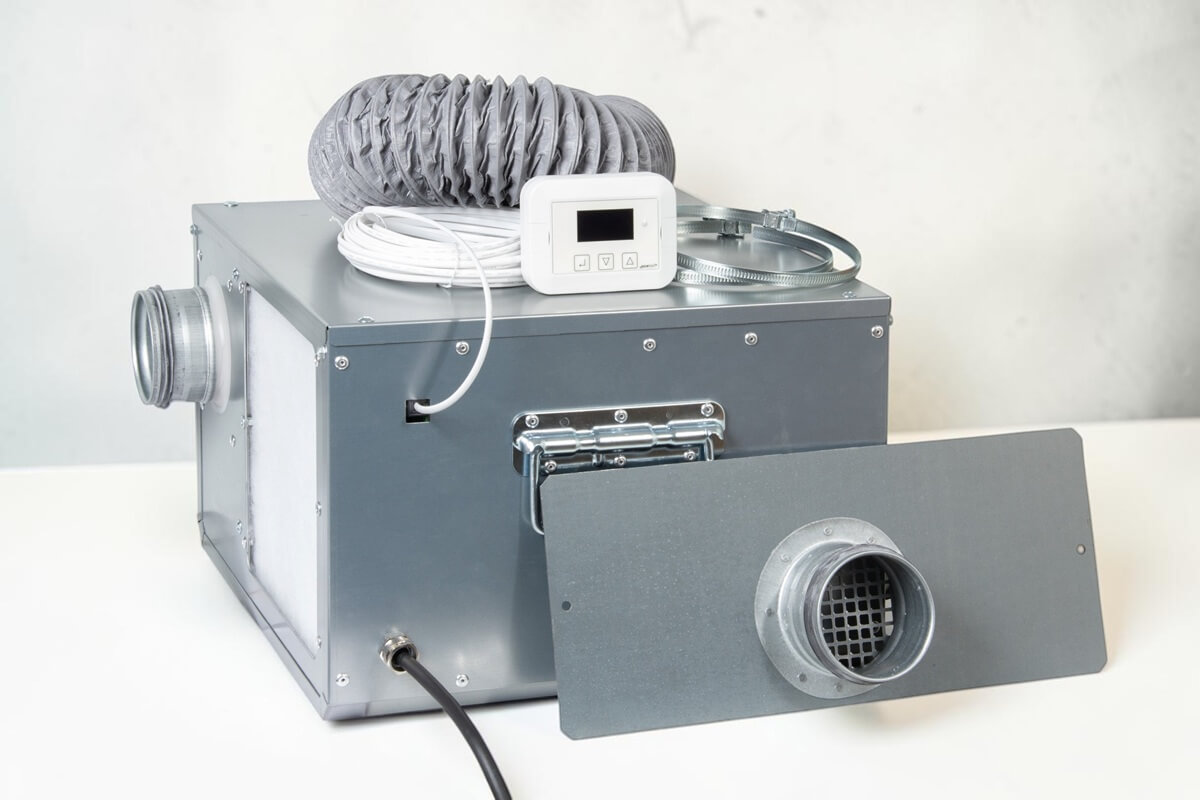
A dehumidifier helps you reduce and control humidity when a space would otherwise become too damp. This can lower the risk of condensation, musty smells, mould growth and damage to building materials or stored belongings. Dehumidification is most useful where moisture is a recurring problem, but it cannot replace repairs to leaks or other damp damage.
What are the benefits of a dehumidifier?
When humidity stays high for a long time, moisture is more likely to affect both the building and your belongings. With a correctly sized dehumidifier, you can:
- Reduce condensation:Lower humidity makes water less likely to condense on cold windows, pipes and structural surfaces.
- Help prevent mould and damp damage:Drier conditions make new microbial growth less likely. Any existing mould still needs to be dealt with separately.
- Protect your belongings:Tools, metal parts, furniture, textiles and cardboard boxes are exposed to less moisture.
- Reduce the risk of musty smells:If a smell is caused by damp conditions, lowering humidity can help prevent it from returning. Existing damage and the source of the smell still need attention.
- Maintain more stable humidity:A humidity-controlled dehumidifier can adjust its operation as the seasons and weather change.
A dehumidifier does not automatically remove pollutants from the air or eliminate existing mould. Its main benefit is keeping excess moisture under control.
Where is a dehumidifier most useful?
Dehumidification is often useful where temperatures fluctuate, moisture enters from outside or wet items release water into the air.
- Crawl space:Moisture from the ground and warm outdoor air cooling beneath the house can cause prolonged high humidity. Start by looking into the causes of damp in crawl spaces.
- Cold loft:Air leaking from the living areas or moisture entering from outside can affect roof boarding and rafters. Read more about damp in the loft.
- Basement and utility room:Cool surfaces and wet laundry can increase humidity. Find out what to consider when using a dehumidifier in a basement.
- Garage, storage room and workshop:Snow carried in on a car, wet equipment and temperature changes can lead to condensation and rust.
- Holiday home, boat, caravan and motorhome:When a space is cool and unused for long periods, dehumidification can complement suitable ventilation and moisture protection.
Not all these spaces need a dehumidifier. If humidity is already under control, there is usually no reason to dehumidify simply as a precaution.
How do you know whether you need a dehumidifier?
Condensation on cold surfaces, recurring musty smells, visible growth and damp materials are signs that a space needs investigating. Measure relative humidity and temperature in different weather conditions and seasons if possible. A single reading will not tell you the whole story.
Also check the roof, pipes, drainage and other possible sources of moisture. If water is entering the building, stop the leak first. A dehumidifier can lower humidity in the air, but it cannot repair a leaking structure or damaged pipe.
Desiccant or refrigerant dehumidifier?
Desiccant dehumidifiers remove moisture from the air using a moisture-absorbing material. In our EvoDry models, the moisture is carried out of the space as humid exhaust air through a separate duct. This technology also works at low temperatures, making it a common choice for crawl spaces, cold lofts and unheated storage rooms.
Refrigerant dehumidifiers cool the air so that water condenses and can be collected or drained away. They often work well in warmer spaces, such as a heated utility room. Their capacity generally decreases as temperatures fall, although this varies by model.
So do not choose a unit based only on the room type or a particular temperature threshold. Compare the air volume, moisture load, energy use and how the extracted water will be removed.
Our guide Which dehumidifier should you choose? looks at the differences in more detail.
How low should humidity be?
For ordinary rooms in the home, the US Environmental Protection Agency (EPA) generally advises keeping relative humidity below 60%, ideally around 30–50%. However, this is not a universal setting for a crawl space or cold loft. In such spaces, the moisture risk needs to be assessed based on temperature, materials and how long the conditions persist.
Dehumidifying more than necessary can also waste energy. Choose a system that responds to actual conditions and monitor humidity over time.
For further guidance, read the EPA's advice on moisture and mould and the UK government's guidance on damp and mould.
Think about installation before choosing a model
A dehumidifier needs enough capacity to reach the whole space with drier air. With a desiccant dehumidifier, the humid exhaust air must also be discharged correctly. A refrigerant dehumidifier instead needs a suitable way to collect or drain condensate.
Always follow the installation instructions for the specific model. Some permanently installed dehumidifiers must be fitted by a qualified professional. Read more in our guide to installing a dehumidifier.
If you are unsure which model or capacity you need, we can help you take the next step. Our selection tool lets you compare EvoDry dehumidifiers, and if you need installation help, we can forward your enquiry to one of our installation partners.
